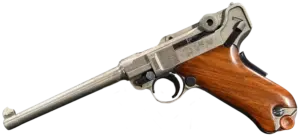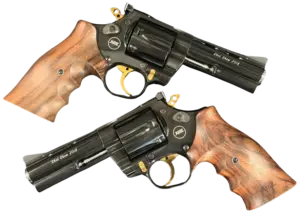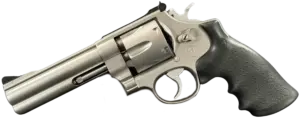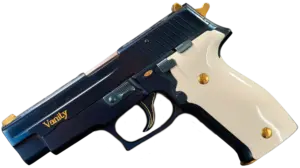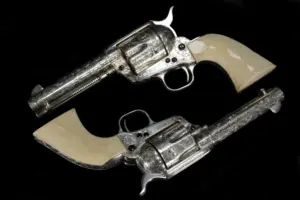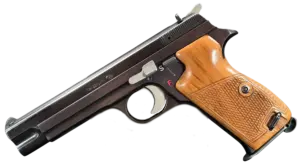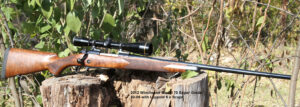

I had two very different guns on the bench last week. One was a duck gun with a season of salt spray in its pores. The other was a deep blued revolver that still turned heads. They looked like opposites, but they were telling the same story: finish is not color. Finish is how a gun survives the real world.
If you are buying, restoring, or trying to keep a hard use carbine honest, understanding finish options saves time and money. Below is a clear walk through seven finishes that actually change how a firearm lives. We will hit what they are, how they are applied, the real corrosion and wear tradeoffs, and what care looks like in practice.
What a finish actually does
A good finish shields steel and aluminum from corrosion, controls friction between moving parts, and manages glare and texture. Some treatments change the metal itself. Others add a film on top. That difference shows up when a rifle rides a wet scabbard for a week or a carry gun sweats through summer.
Seven finishes you actually see
- Bluing
- Parkerizing
- Anodizing
- Hard Chrome
- Nitriding and QPQ
- PVD and DLC
- Cerakote
Each handles rust, wear, and maintenance differently. Here is what matters for buyers and collectors.
Bluing
What it is: A controlled oxidation of steel that creates a thin black oxide layer. Think classic service pistols and sporting rifles.
Strengths: Elegant, traditional look with depth when polished. Easy to refresh cosmetically.
Limits: Limited corrosion resistance on its own. It prefers oil and dry storage. Industry overviews place it near the bottom for corrosion protection compared with modern options.
Best for: Collectibles, heirlooms, showpieces where period correct appearance matters. Reference
Care and touch ups: Keep a light oil film. Wipe after handling. Cold blue blends small scratches, followed by oil.
Parkerizing
What it is: A manganese or zinc phosphate conversion coating on steel. Famous on mid century military rifles.
Strengths: Matte, low glare, holds oil well. Honest wear looks right. Moderate corrosion resistance with oil.
Limits: Not as corrosion resistant as modern thin films or ceramics. Sits mid pack for protection and thickness in industry comparisons.
Best for: Military style rifles and vintage restorations. Reference
Care and touch ups: Keep oiled. Light rubs darken with oil. Deep scrapes need a refinish to look uniform.
Anodizing
What it is: An electrochemical oxide grown on aluminum. It becomes part of the metal.
Strengths: Light, durable, dimensionally stable. Excellent base for AR receivers, handguards, and mounts.
Limits: Color lives in the oxide layer, so spot color fixes are tough. Not for steel.
Best for: AR 15 receivers, aluminum handguards, optics mounts. Reference
Care and touch ups: Mild cleaners. Avoid harsh abrasives that polish through dye on corners. Add Cerakote on top if you need color or extra sealing.
Hard Chrome
What it is: Industrial chromium plating applied thick for wear resistance. Not the thin decorative chrome used on trim.
Strengths: Very high wear and galling resistance. Builds in the tens of microns and can restore worn dimensions before post machining. Cleans easily.
Limits: Applied by plating chemistry historically based on hexavalent chromium, which is under regulatory pressure in Europe. Choose reputable shops for proper masking and process control.
Best for: Competition pistols, shotguns, and hard worked internal steel parts. Reference
Care and touch ups: Wipe clean. Field blending is limited. Significant damage usually means strip and replate.
Nitriding and QPQ
What it is: A thermochemical treatment that diffuses nitrogen into steel. The popular QPQ sequence is quench, polish, quench.
How QPQ works: Parts are preheated, immersed in a nitrogen and carbon rich salt bath to harden the surface, oxidized to form a magnetite (Fe3O4) layer, quenched, polished to remove the porous outer layer and restore smoothness, then quenched again. Reference
Strengths: Case hardened surface with excellent wear resistance and low friction. Minimal dimensional change, which is why it shines on barrels and tight fit internals.
Limits: Steel only. Not for aluminum or polymers.
Best for: Barrels, bolts, bolt carriers, and internal steel components. Comparison
Care and touch ups: Cleans easily. You cannot brush on more nitriding. Small nicks are usually cosmetic because the hardened case remains.
PVD and DLC
What it is: Physical Vapor Deposition applies a very thin, very hard film in a vacuum. DLC is a low friction PVD variant.
Strengths: Extremely wear resistant at 0.5 to 5 microns typical thickness, so fit stays tight. Slick surface for slides and small parts. Industry comparisons rank PVD above black oxide and Parkerizing for wear and overall durability on steel.
Limits: Corrosion protection depends on recipe and substrate. Color options are limited compared with paints and ceramics.
Best for: Carry slides, barrels, premium internals that see holster time and abrasion. Reference
Care and touch ups: Treat like a hard but thin skin. Non abrasive cloths. If you wear through on corners, refinish rather than spot repair.
Cerakote
What it is: A spray applied, thin film ceramic polymer that bonds and cures on steel, aluminum, and some polymers.
Strengths: Top tier corrosion resistance and chemical resistance in a thin coat. Wide color and texture range for low glare or camo. Vendor testing claims dramatic salt spray performance compared with PVD and DLC in modified ASTM B117, and strong abrasion resistance in ASTM Taber testing. Data
Limits: It is a coating on top of the metal, not a diffusion hardening of steel. Wear on sharp edges shows over time on hard used parts.
Best for: Exterior protection on working rifles, EDC frames where compatible, and any build needing color with real weather sealing. Reference
Care and touch ups: Normal cleaners. Spot repairs can seal bare spots, but color matching aged coatings is tricky. Large areas blend better.
Corrosion and wear tradeoffs you can feel
Inside the gun, QPQ style nitriding or PVD and DLC excel because hardness and low friction matter more than color. NDZ’s comparison puts it plainly: QPQ outperforms Cerakote for wear on internal steel because it penetrates the metal, while Cerakote wins for exterior corrosion resistance and non ferrous parts. The best builds often combine them. See comparison
For exterior corrosion defense, Cerakote is a heavy hitter with strong salt spray results and broad chemical resistance. Anodizing is excellent for aluminum, especially when left as the base and, if needed, top coated.
Parkerizing and bluing live on the traditional end. They work, but they like oil. That is part of their character and care rhythm. Modern guides consistently rank them below today’s ceramics and nitriding for outright corrosion resistance. Reference
Surface prep is the work you do not see
The same coating can be bulletproof from one shop and flaky from another. Prep makes the difference.
- Cleaning and degrease: Oils and cutting fluids kill adhesion. Ask about solvent and bake out steps.
- Masking and dimensions: QPQ and PVD change size minimally. Hard chrome adds real thickness. Even sprayed coatings build. Good shops mask bores, threads, and fit critical areas.
- Substrate match: Nitriding and Parkerizing are for steel. Anodizing is for aluminum. Cerakote can bridge metals, but prep differs by substrate.
- Finishing steps: QPQ should include a polish between quenches to remove the porous outer layer and control smoothness. Process detail
Touch ups and real world repairs
- Bluing: Easiest cosmetic blends. Cold blue and oil can disguise light wear.
- Parkerizing: Oil darkens scuffs. Deep damage needs a refinish to look even.
- Anodizing: Hard to color match locally. The underlying anodize still protects.
- Hard Chrome: Light scuffs often polish out. Serious chips call for strip and replate.
- QPQ: Nicks are usually cosmetic. You cannot spot add case hardening.
- PVD and DLC: Thin and tough. Once worn through on edges, refinish is the fix.
- Cerakote: Spot seal small scratches, but larger areas blend better for color and sheen.
Care habits that pay off
- Bluing and Parkerizing: Light oil after handling or wet weather. Store dry with airflow.
- Anodizing: Mild cleaners. Avoid abrasive polishes on edges.
- Hard Chrome: Regular solvents are fine. Do not over polish crisp edges.
- QPQ: Carbon releases easily. Skip abrasive pads.
- PVD and DLC: Non abrasive cloths. Do not chase a mirror on corners.
- Cerakote: Wipe grit before it scours. Normal cleaners and degreasers are fine.
Use case picks
Hard use carbines and working rifles: QPQ for barrels and internals plus a Cerakote exterior. Low friction inside, sealed outside. This pairing is echoed in independent comparisons. Reference
Vintage restorations and heirlooms: Bluing or Parkerizing to stay period correct. Accept the care that comes with the look.
Competition pistols and shotguns: Hard chrome on high wear parts, or PVD and DLC on slides and barrels for slickness and holster resistance.
AR receivers and aluminum chassis: Quality anodizing as the base. Add Cerakote only if you need color or extra environmental sealing.
Buyer and collector questions for a coater or smith
- What exact process are you using on this metal, and why that choice?
- What thickness change should I expect, and how will you mask fit critical areas?
- How do you clean and handle parts to prevent contamination before finishing?
- For QPQ or PVD, what is your polish or finishing step to control surface smoothness?
- If a part needs repair later, what does refinish cost and turnaround look like?
Wrap up
Back to those two guns. The duck gun wore QPQ inside and a simple exterior coating. It cleaned fast and showed little internal wear. The revolver was deep blued and gorgeous, and it rewards the owner every time he wipes it with an oil cloth.
No single finish wins everywhere. Match the metal and the job, then decide how much maintenance you are willing to give. Pair the inside and outside wisely and you will spend less time fixing problems and more time shooting. For a broader overview of pros, cons, and ideal uses, this guide is a helpful cross check: firearm finishes overview.