
Two rifles, one lesson: trigger feel is a tool
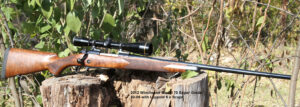
On a crisp fall morning, a friend shot two rifles back to back. A light varmint rig with a glass-rod break printed tiny groups. A service rifle with a heavier, rolling break kept his hits together when we added movement and a timer. Same shooter, same ammo. Two triggers, same takeaway: trigger feel is a tool, not a trophy.
If you buy, collect, or just enjoy rifles and pistols, knowing what happens inside the trigger pays off. It helps you choose wisely, tune safely, and avoid problems. Here is how stages, sear geometry, reset and overtravel, springs and surfaces work together, plus the checks to run before you ever chamber a live round.
Trigger vocabulary: break, creep, reset, overtravel
We describe triggers by feel, but each term maps to real mechanics.
- Break: The instant the sear releases and the shot fires. A clean break feels crisp; a rolling break feels gradual but predictable.
- Creep: Movement while the sear is still engaged before the break. Excess creep makes timing the shot harder. Some designs allow slight, smooth movement by intent.
- Overtravel: Movement after the break. Less is usually better for sight stability, but it must be sufficient to ensure reliable release.
- Reset: Where the trigger re-engages on the return so you can fire again. Short and positive helps cadence without slapping the trigger.
Pull weight matters, but predictability matters more. A heavier, smooth, consistent pull often outshoots a lighter, gritty one.
Single-stage vs two-stage: what actually changes
- Single-stage: One consistent pull from start to break. No distinct take-up. Most AR-pattern rifles ship with a single-stage mil-spec trigger, and a good one should pull smoothly, break cleanly, and have minimal overtravel.
- Two-stage: A light first stage you take up to a firm wall, then a crisper second stage that releases the shot. Many like being able to prep the first stage, then add a touch more pressure against that wall to fire under control. In stressful conditions, that wall can help prevent unintended shots.
For a concise maker’s explainer, Hiperfire’s single-stage vs two-stage overview covers the basics and emphasizes an often-missed point: parts do not replace practice. Get familiar with what you run.
Choosing between stages is about the job. For slow, precise work, a two-stage’s defined wall can be reassuring. For general carbine use, a reliable single-stage with a smooth pull and brisk reset is hard to beat. Plenty of top shooters run both successfully.
Sear geometry: engagement, angles, and safety
Inside most trigger groups, a sear ledge holds a hammer or striker. The trigger moves that ledge out of the way. How far those ledges overlap and the angles where they touch set both feel and safety.
More engagement adds margin and often adds travel and weight. Less engagement can feel crisper but reduces the safety buffer. If the working angles are cut incorrectly, the parts may want to slide off each other under bump or recoil. That is where doubles and runaways come from, which is unsafe and may be unlawful depending on platform and jurisdiction.
Altering sear surfaces is not a casual project. On many older military rifles and pistols, the hardness is a thin surface layer. Aggressive stoning can cut through that layer, exposing softer metal that wears quickly and changes feel over time. Modern aftermarket parts often solve this with precise geometry and hardened or coated interfaces. If you want a crisper break, the safer path is a quality drop-in or professional work, not a home stone job.
Reset and overtravel: small settings, big impact
Reset drives cadence more than raw pull weight. A short, tactile reset lets you ride the trigger confidently through strings. Too short or mushy and it may fail to re-engage under fouling or odd grip pressure. Too long and you overrun it, wasting motion.
Overtravel matters for sight stability right after the shot. Many triggers use a stop or set screw to minimize it. Set them conservatively and secure them. Over-tightening risks inconsistent release or light strikes as parts heat, foul, or shift.
Springs and surfaces: friction and force
Trigger feel is a balance between spring force and friction. Springs bias engagement and drive the hammer or striker; bearing surfaces decide how much friction you must overcome.
Changing spring rates affects more than pull weight. A hammer spring that is too light can deliver light strikes, especially with hard primers. A return spring that is too light can create a lazy reset. Reputable spring kits are usually balanced as a system for the platform.
Smoother, harder bearing surfaces reduce friction and slow wear. That is why you see polished tool steel parts with good heat treat and modern coatings. Know where to stop: polish non-critical bearing paths if needed, but leave actual engagement faces alone unless you have the fixturing and know-how. Abrading coated sear faces for a quick win often trades short-term smoothness for long-term drift.
Safety and function checks you should never skip
Any time you install or adjust a trigger, run these quick checks with the gun unloaded and pointed in a safe direction. Follow the maker’s instructions first.
- Verify clear: Remove the magazine, lock the action open, and inspect the chamber and mag well.
- Safety test: Cock the action, engage the safety, and press the trigger. It should not release. Disengage the safety and press; you should get a proper release.
- Reset check: Hold the trigger to the rear, cycle the action, then ease forward to reset. It should clearly re-engage before the next press.
- Bump test: With the action cocked and safety on, gently bump the butt on a padded surface while controlling the muzzle. There should be no release. Repeat with safety off. Any release or half-cock is a red flag. Stop and consult a competent gunsmith.
- Overtravel stop: If adjusted, confirm reliable release across many cycles and positions. Recheck after heat, fouling, and lube changes.
Do not skip these just because a unit is “drop-in.” Tolerance stacks are unique to each receiver and pin set.
Smart tuning priorities: what to tweak first
- Fundamentals first: Grip, stance, and sight control beat tiny pull-weight gains.
- Chase consistency, not grams: A smooth, repeatable pull outperforms an ultra-light, variable one.
- Springs before stones: Platform-proven spring kits can deliver meaningful change without touching engagement geometry.
- Leave sear faces alone: For a crisper break, pick a quality drop-in or hire a pro.
- Use set screws sparingly: Back off for running clearance and confirm function hot, cold, clean, and dirty.
- Measure and log: Use a pull gauge and note changes so you can track drift.
- Train more than you tinker: As Hiperfire reminds us, reps matter more than accessories.
Buying to purpose: match the trigger to the job
Write down what the gun actually does for you. A varmint rifle on bags has different needs than a carry carbine or a steel gun.
- Predictability: Even if there is take-up, does it break the same way every time?
- Reset character: Short and positive for speed; long and vague slows you down.
- Overtravel control: Enough for reliable release without disturbing sights.
- Materials and finish: Hardened tool steel and thoughtful coatings help parts hold geometry and feel longer.
- Documentation and support: Clear install guides, stated pull ranges, and responsive support matter.
- Safety features: Robust engagement and proven safeties beat novelty.
On AR-pattern rifles, single-stage triggers are ubiquitous in mil-spec form, and upgraded single- or two-stage modules cover the spectrum. Two-stage units let you prep a first stage and press through a defined wall, which some prefer for match or DMR-style work. Smooth single-stage units excel as general-purpose carbines. Both paths work when executed well.
Collector notes: preserve originality, fix what matters
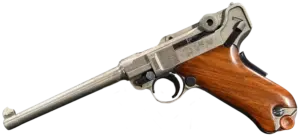
On milsurp rifles and classic pistols, the trigger is part of the story. Many were built for battlefield safety and rough conditions, with heavier pulls or intentional creep. Unless the gun is unsafe, resist reshaping engagement faces; it risks cutting through case hardening and erodes value.
Start with reversible steps: correct cleaning, proper lubrication, and in-spec springs. If you change parts for shootability, bag and label the originals so the gun can be returned to stock.
Myths that waste time
- Lighter is always better: A 2.5-pound pull that chokes on grit is worse than a 4.5-pound pull that breaks clean every time.
- Two-stage is only for long range: Service rifle competitors run two-stages at speed, and plenty of precision rigs wear single-stages. Execution and training matter more than type.
- Polish everything: Some textures are engineered. Removing coatings or changing angles can shorten life or create unsafe conditions.
- Reset is a spec to chase on paper: Feel and control beat a number. A slightly longer but tactile reset can run better for you.
Troubleshooting common complaints
- Gritty pull: Often debris, machining marks, or lack of lube on non-critical bearing paths. Clean, lube, and dry-fire a few hundred cycles. Do not file engagement faces.
- Failure to reset: Check for weak or binding return springs, fouling, or over-tight set screws. Back off adjustments. If there is a disconnector, confirm proper engagement.
- Light strikes: Commonly a too-light hammer spring or tolerance stack after a swap. Try known-good ammo and a stock-strength hammer spring first.
- Doubling or follow-down: Stop. It is unsafe and may be unlawful. Do not fire the gun; have a competent gunsmith inspect engagement and parts condition.
- Trigger slap: Could be geometry or timing in semi-autos, or over-enthusiastic finger work. Verify mechanics, then practice controlled reset in dry fire.
Training makes any trigger better
Hand a solid shooter a mediocre trigger and they still produce hits. Consistent dry fire reveals your break and reset, and teaches you to press without moving the sights. As Hiperfire notes in their single- vs two-stage writeup, most shooters gain more from training than from endlessly swapping parts.
Final thoughts
The ideal trigger is the one that lets you do your job with confidence and safety. Understand stages, respect sear geometry, and recognize how reset and overtravel shape speed. Balance springs and surfaces wisely. Run safety checks any time you install or tweak parts. Start with fundamentals, then make careful changes that solve real problems without creating new ones.
Approach triggers this way and your rifles and pistols will feel right and run right. Collectors keep history intact; shooters keep rounds where they belong.