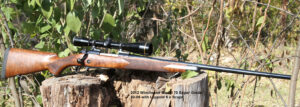

The first time I carried a sporting BAR into elk timber, I remember the way the bolt ran. Not clunky, not temperamental, just a smooth metallic hush that reminded me more of a well kept sewing machine than the hulking war gun that shares its name. That is the trick with Browning’s sporting BAR. The name rides in with a century of lore, but the rifle in your hands is a purpose-built hunting arm that has quietly carved out its own reputation since 1967.
If you are eyeing one for deer season, trying to sort out generations for a collection, or you just want to make sense of the ShortTrac and LongTrac alphabet soup, this guide is meant to save you some head scratching. We will keep the focus where buyers and collectors need it most. Gas system and receiver changes, Mk I versus Mk II traits you can actually spot, the trim lines like Safari and the composites, magazines by action length, and a clear checklist of what to look over before you hand over cash.
The BAR that belongs in a deer camp, not a trench
Let’s set the table. The sporting BAR is a different rifle from the military M1918 automatic rifle that stormed into history with John Moses Browning’s signature. The hunting BAR was developed decades later by the Browning family lineage working with Belgian engineers, a project that traded mud-slogging fire support for a lighter, handier autoloader that could live in whitetail woods and Western basins.
Browning traces the modern BAR’s development to Bruce Browning in cooperation with designers at Fabrique Nationale in Belgium. The sporting BAR reached the catalog in 1967, smaller and lighter than the old war gun, and it quickly got noticed for dependable cycling and accuracy. More than that, for many years it stood nearly alone as a centerfire autoloader chambered in true magnum cartridges, which helped cement its reputation among hunters who needed reach and authority without giving up fast follow up shots. Browning’s own historical notes put it plainly. The BAR was the oddball autoloader that handled magnums when others would not, and that distinct role helped it thrive for decades.
FN’s design bench shows up across the company’s story, and if that thread interests you, our overview of FN Herstal’s century of design gives extra context for how these partnerships shaped 20th century arms.
Gas system and receiver generations in plain English
Mechanically the sporting BAR is gas operated. Gas tapped from the barrel runs a short stroke piston that drives an action system to cycle the bolt. The bolt itself rotates to lock, which gives a strong, consistent breech lockup that supports accuracy. That is the core concept carried through the line. Where things get interesting is how Browning refined the gas hardware and the receiver over time.
Early rifles carried steel receivers on upscale trims and the classic hinged magazine assembly in the floorplate. Later versions introduced aluminum alloy receivers to trim weight while keeping a robust bolt. In the current family, Browning describes the BAR MK 3 receiver as aluminum alloy that houses a seven lug rotating bolt, with a rigid action bar and inertia block to reduce barrel vibration, and internal buffering that softens the stress on moving parts. Those details matter because they hint at how Browning has quietly chased reliability and accuracy across generations, not by rewriting the design but by cleaning up the details inside.
Across all of them, the BAR remains a semi automatic rifle with a detachable box magazine format, gas piston operation, and a rotating bolt. If you set one on a bench next to a bolt gun, you will notice the BAR’s receiver length and weight feel closer to a svelte autoloader than a chunky service rifle, which is part of its enduring charm for hunters.
Mk I and Mk II: what changed and how to spot it
In conversation, Browning fans sometimes flatten the first 30 years of sporting BARs into one bucket. It pays to separate the Mk I from the Mk II, because the changeover brought real updates that buyers should know about.
According to Browning’s own historical summary, the Mk II included several tangible upgrades.
- Trigger assembly retained by cross pins for easier disassembly compared to the earlier arrangement
- Redesigned gas system that improved reliability
- A dedicated slide stop lever that lets you lock the bolt open with or without a magazine inserted
- The rifle kept the original hinged magazine arrangement rather than moving to a fully detachable unit, even though a detachable version was evaluated
Those are not small updates. For the working hunter, the slide stop and refined gas system made the rifle easier to run and less finicky with seasonal ammo changes. For the owner who does their own cleaning, the pinned trigger group makes responsible maintenance less of a chore.
Spotting a Mk II at a glance often comes down to that separate slide stop control and the way the trigger assembly is secured. The magazine floorplate still swings down to present the magazine. On Mk I rifles the cues are subtler and will vary by trim. If you are unsure, a close look at the action parts and the presence of the dedicated slide stop will usually settle it in a minute or two.
ShortTrac and LongTrac: action lengths explained
ShortTrac and LongTrac describe the action length family that arrived after the original steel receiver era. ShortTrac fits cartridges up to the length range of the 308 Winchester family. LongTrac fits longer cartridges. These models brought a modernized look with more stylized stocks, a lighter aluminum alloy receiver, and component choices that nudged weight down while keeping the rifle lively.
Two practical notes matter for shoppers. First, ShortTrac and LongTrac parts like magazines are not cross compatible. Match action length to action length, and within that, match the magazine to cartridge family. Second, barrels on these versions vary in common lengths of 22, 23, or 24 inches depending on cartridge, so when you find a listing, read carefully. That extra inch of barrel can change balance and velocity for you.
On the latest BAR MK 3 line, Browning notes several accuracy minded tweaks inside the receiver and the bolt. Public sources also note that current BAR rifles share a long action length across the line. If you are pairing a newer BAR with a magazine, pay attention to how the factory implements that across your specific chambering. It is not difficult, you just want the correct magazine for your cartridge and generation.
Trims and lines: Safari, Medallion, Stalker and other composites
Trim lines on the BAR are where the collector’s eye wakes up. Some are classic, some are no nonsense, and each tells you something about the period when that rifle left the factory.
Sitting at the traditional end, the Safari model carries a steel receiver with engraving and walnut furniture. It is also the home for a detail that accuracy tinkerers like to see. The Safari line has carried Browning’s BOSS system on certain chamberings. BOSS is an adjustable muzzle device that combines a brake and a tunable weight. It lets a shooter balance barrel harmonics for a specific load while also trimming recoil. If you spot the knurled, indexed muzzle assembly on a Safari, that is what you are looking at.
Moving across to lighter builds, the ShortTrac and LongTrac families introduce alloy receivers and more contemporary stocks. The basic version wears walnut. The Stalker wears a black composite stock with a matte metal finish, and there are camo variants where metal and stock come in full coverage patterns for the field. These composite builds tend to be the working rifles that show up at the range with a stack of cardboard cutouts for sight in day, then ride behind the seat of a truck all season without fuss.
Browning has also released upscale cosmetic trims on the BAR over the years, including Medallion style treatments in some eras. Those premium trims leaned on higher grade wood and more detailed engraving. Exact features vary by catalog year and chambering, so if a seller calls a rifle a Medallion, ask for clear photographs of both sides of the receiver and the stock figure to verify the details match the period brochures.
In the current catalog, the MK 3 family emphasizes lightweight alloy receivers and the seven lug bolt, with sub lines like the Stalker still aimed at the hunter who values a strong field finish. You can find Browning’s summary of how the sporting BAR evolved and where the MK 3 sits in that story in their overview of BAR history.
Magazines: lengths, generations, and what fits what
The BAR has always been a detachable box magazine design at heart, but how you access and remove that magazine varies by era. On the classic and Mk II rifles, a hinged floorplate swings down. The magazine itself nests inside and can be removed for loading. The system keeps lines clean and protects the magazine in the stock. It is a distinctly Browning way to do a box magazine on a hunting rifle.
ShortTrac and LongTrac changed magazine geometry to match their action lengths. That means ShortTrac magazines serve the 308 family and similar lengths. LongTrac magazines stretch for cartridges like 30-06 length and beyond. They are not interchangeable. Within each action length, magazines are also cartridge family specific, so a 270 LongTrac mag is not meant for a 338 length variant, for example. Browning catalogs usually make the pairings clear by listing chamberings under each magazine part. When you shop for a spare, match action length and cartridge on the nose.
Practical checks for any BAR magazine are simple. Look closely at feed lips for bending or peening, especially on used mags that have been rattling around in a glove box. Work the follower to feel for smooth travel without gritty hang ups. On the ShortTrac and LongTrac families, the trigger guard and floorplate are polymer. Inspect the floorplate hinge and latch for cracks, and make sure the assembly locks home snugly when closed.
What to inspect on a used BAR
A used BAR can be a fantastic buy, especially if the seller kept it clean and matched it with a load the rifle likes. Here is how I run through one on the bench before money changes hands. All of this begins with safe handling and a clear chamber.
- Confirm it is unloaded. Remove the magazine and lock the bolt open. Look and feel the chamber.
- Check the bore from the breech. Browning’s manuals say to be certain no cleaning patch is left in the barrel. If you see any obstruction, even a tiny fiber wad, get it out with a rod and patch. Do not fire a rifle with a blocked bore.
- Scan the chamber and bore for powder fouling. A normal haze is common and usually wipes with a nitro solvent patch. Heavy, caked fouling is a signal the rifle did not see regular care.
- Look under the forearm at the gas system. You are checking for heavy carbon build up on the piston and signs of neglected cleaning. A film of soot is normal. Chunks of baked carbon stuck everywhere point to long intervals between cleanings.
- Cycle the bolt. It should run without grinding. On Mk II and later rifles, verify the separate slide stop holds the bolt open with and without the magazine installed.
- Magazine fit. With the floorplate closed, the assembly should lock up cleanly with no gap and no rattle. Pop the floorplate and remove the mag. Check feed lips and the follower.
- Receiver and stock check. Early steel receiver Safaris deserve a close look at the engraving for wear or aggressive polishing. On ShortTrac and LongTrac models, inspect the plastic trigger guard and floorplate for hairline cracks.
- Wood inletting. Browning manuals caution against flooding the receiver with oil because it can drain into the stock and soften the wood. Pull the forearm and look for dark, oil soaked areas or punky wood around bedding points. A little stain is common on older rifles, but very soft inletting can lead to loose fit and wandering zero.
- Barrel crown. Nicks or dings at the muzzle can tank accuracy. The BOSS assembly on Safari models also needs a quick look. Make sure the indexing marks align and the device is not cross threaded.
- Trigger feel. BAR triggers are hunting weight. You are not looking for a target break. Just make sure the pull is clean and free of creep or grit.
After your bench check, a simple function test on a safe range is worth its weight in brass. Browning includes a straightforward safety note that is worth repeating. If a shot sounds wrong or recoil is light, do not chamber another round. Keep the muzzle pointed in a safe direction for at least 30 seconds, then turn the ejection port away from you, open the action carefully, and remove the cartridge. If the primer shows a strike, the cartridge is defective. If it is untouched, you may have had a mechanical failure and should have a qualified gunsmith look it over. Browning’s ShortTrac and LongTrac manual collects these safety and cleaning reminders in one place.
Cleaning notes that actually help
You can keep a BAR running for years with light, regular care. Browning’s guidance is refreshingly practical. Clean powder residue with a patch and solvent. Use a small brush or rag to wipe the inside of the receiver. Lubricate moving parts with a high quality light oil, and here is the part that saves stocks and accuracy. Use oil sparingly. Do not pour oil into the receiver. Excess oil can run into wood, soften it, and loosen the stock. If you buy a rifle that lived on an oil diet, plan on cleaning out old oil from the inletting and letting the stock rest before you start chasing tiny groups.
When you put the rifle away, always finish with a clear bore and chamber. It takes less than a minute to look through the barrel to be sure it is free of obstructions, and it will save you from the worst kind of surprise at the next range trip.
Accuracy notes and the BOSS wrinkle
Plenty of BARs will turn in tight hunting groups with off the shelf loads. Collectors and tinkerers often gravitate to Safari models that wear the BOSS muzzle device because it lets you tune barrel harmonics without reloading. It is a simple concept. You adjust the position of the weight at the muzzle based on a chart or a methodical walk through settings, and you watch groups open or close until you find the sweet spot for your chosen load.
Even without BOSS, look for a rifle that balances well for you and a barrel length that keeps the rifle steady in field positions. Twenty two inch barrels carry with less fatigue in thick timber. Longer tubes help with balance and velocity on cartridges that like a little more dwell time. The BAR catalog includes 22, 23, and 24 inch barrels depending on chambering, so you can find a setup that fits your ground.
Receiver materials and feel on the shoulder
Receiver composition is not just trivia for a spec sheet. It changes how the rifle carries and recoils. The engraved steel receivers of Safari trim rifles add a touch of mass that can make a 30-06 feel milder over a box of ammo. Aluminum alloy receivers on ShortTrac, LongTrac, and MK 3 rifles shave ounces for long hikes and treestand climbs, then count on the gas system and internal buffering to keep recoil easy on the shoulder. None of this is marketing magic. It is the natural give and take of weight, gas drive, and stock geometry. Handle both, if you can, and you will know very quickly which version suits your kind of hunt.
Choosing a BAR that fits your use
Buyers come to the BAR for two main reasons. They want an autoloading hunting rifle that runs with the manners of a bolt gun, and they want that performance in real hunting chamberings. That narrows the field quickly.
If deep blue and walnut stir you, a Safari with or without BOSS is a classic choice with heirloom looks. If bad weather and long seasons are your reality, a composite stocked ShortTrac or LongTrac with a matte or camo finish keeps worry low and function high. If you want the latest tweak in receiver internals, look to a BAR MK 3 with the seven lug bolt and internal buffering that Browning is building now.
For context across Browning’s broader family, the brand’s autoloading pedigree goes back to long recoil shotguns and forward through modern bolt guns. If that lineage interests you, the short walk through the Browning Auto 5’s long recoil legacy makes a nice companion read to the BAR’s gas driven story.
Paperwork and provenance
Browning’s BAR line has been around long enough that you will see rifles with varied rollmarks and feature sets. Ask for clear photographs of the receiver marks and any box end labels if the seller has them. Those details help you line up the action length, trim level, and the generation. When in doubt, compare what you see to period catalog pages or contact Browning customer support with serial information. Be cautious about any seller claims that cannot be matched to a catalog year or a known trim.
For current models and a sense of how Browning groups the line today, their overview of the BAR collection is a clean reference. It shows where Safari themed tributes sit and how the MK 3 family is framed in the lineup.
Final thoughts from the bench
The sporting BAR has earned its quiet reputation the long way. Browning did not chase fads with it. They made careful changes under the hood, kept it honest in the field, and gave buyers a steady place to stand if they wanted a centerfire autoloader built for real hunting. If you can sort out Mk I from Mk II, match your action length to your chambering, and check the few wear points that matter, you will find there are a lot of good BARs out there.
The rifle in your hands will not sound like a trench broom. It will cycle with a quick, confident hush, and it will do the one thing every hunting arm should. It will make you forget about the gun and focus on the shot.