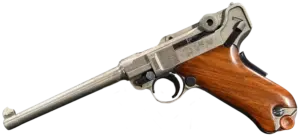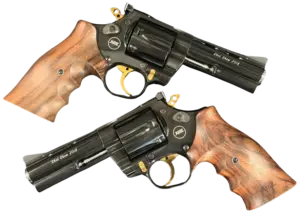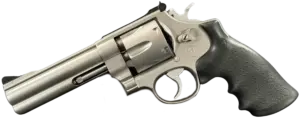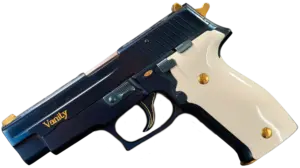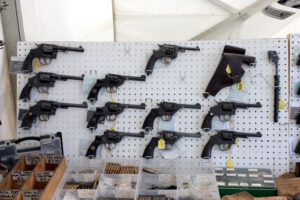

I keep a beat-up field notebook on the bench. The first page is a scribble of finishes and notes like gray at edges, matte pores, mottled blues fading at wrist. It looks like the ramblings of a restless mind. In truth, it’s a time machine. Give me a few minutes with a firearm, and the finish will whisper when it was made, how it was used, what it lived through, and what it needs next.
If that sounds like witchcraft, it isn’t. Once you know the common finishes — bluing, Parkerizing, anodizing, case colors, nitriding, Cerakote, DLC, and a few more — you can read a gun’s story. And just as important, you can pick the right finish for your own needs, then care for it without doing harm.
Why finishes matter beyond looks
A finish is more than color. It can slow rust, reduce friction, hide glare, hold oil, and in some cases make a surface harder. Some add practically no thickness. Others form a topcoat that changes how a gun feels in the hand. Each has strengths and tradeoffs.
Modern makers throw around a lot of names. If you’ve ever stared at a spec sheet full of Bluing, Anodizing, Parkerizing, NiB, Melonite, Black Oxide, and Cerakote and felt like you needed a translator, you’re not alone. There’s a good quick look at many of these in The Armory Life’s overview of common gun coatings, and we’ll walk through the ones you’re most likely to encounter below, with a buyer’s eye and a collector’s ear.
Bluing 101: slow rust vs hot salt
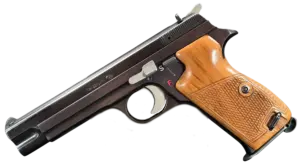
Bluing is the old standard. Think deep midnight Model 70 rifles and glossy service pistols. At heart, bluing is controlled oxidation of steel. Done right, it produces a blue-black layer that helps resist rust without adding measurable thickness to parts. That last point matters: blued parts usually fit together exactly as they did before.
There are two classic roads to that look:
Slow rust bluing is methodical. A solution is applied to bare steel, the surface is allowed to oxidize, then the oxide is converted and carded away with gentle abrasion. Repeat, again and again, until the steel takes on depth and glow. You’ll see slow rust bluing on high-end restorations and fine doubles because it’s gentle on soldered joints and rewards patient craftsmanship.
Hot salt bluing is the production workhorse of the 20th century. Parts go through a heated caustic bath, which converts the surface to that familiar blue-black. It’s efficient and repeatable. The finish tends to look uniform and dark, depending on the steel and the polish underneath.
Era clues. Bluing spans eras, but certain tells help. Mirror-like polish under blue often points to pre-war and immediate post-war pride. Wartime expediency shows in coarser prep under the same finish. By the later part of the century, many military arms moved to more matte, non-reflective finishes, with bluing persisting strongly on commercial sporting guns and handguns.
How bluing wears. It’s honest. High points and corners go gray and smooth first. A carry pistol will thin on the muzzle and slide flats. A hunting rifle will show bright freckles where a sling swivel rubs. Because the film is so thin, you’re essentially seeing steel through a worn oxide veil.
Care. Think oil and soft cloth. Wipe after handling. Keep a film of quality oil on blued guns, especially in humid climates or when fingerprints are involved. Avoid harsh abrasives that cut the oxide — the shine you polish in is the protection you polish off.
Parkerizing: the working gun’s coat
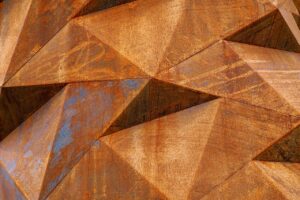
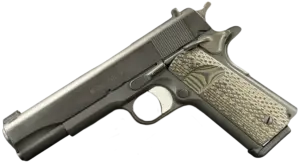
Parkerizing is a phosphate coating developed for hard service. It tends to look matte and non-reflective, running from gray to charcoal. If you’ve handled mid-century service rifles and shotguns, you’ve likely felt it — a slight tooth to the surface that isn’t slippery or glossy.
The practical virtues are the reason it stuck. Parkerizing creates micro-cavities that hold oil and rust inhibitors. That stored oil keeps moving parts slick and gives you a buffer against moisture when conditions are rough. Run-N-Iron’s description of mil-spec Parkerizing gets right to the point: it retains oils and preservatives, cushions moving metal, and knocks down glare. The famous green or brown cast you see on vintage military arms is often the color of the oils and preservatives soaked into the pores, not the phosphate layer itself. If you need a deeper black look, some shops even follow Parkerizing with a hot salt black oxide for a darker tone.
Era clues. Nothing says mid-century service quite like a uniform Parkerized finish. It’s frequently associated with wartime production and the decades that followed on martial arms and working guns.
How Parkerizing wears. The peaks burnish smooth and a bit shiny with handling, while the valleys retain oil. Edges can lighten to a steely gray but rarely go mirror bright the way polished bluing can. Where oil soaked in, you might see darker patches that look almost greenish or brownish from old preservatives.
Care. Feed the pores. Wipe with a lightly oiled cloth after cleaning, and keep a hint of oil on high-wear areas. It doesn’t take much. The coating is there to hold what you give it.
Anodizing: what black aluminum is telling you
When you see a matte black receiver on a modern rifle or pistol frame and it’s aluminum, you’re looking at anodizing. It’s a controlled oxide layer grown on aluminum that provides corrosion resistance and a hard surface. It can be left in natural shades or dyed — black being the most common on modern firearms.
How anodizing wears. The color can lighten on high points, especially on corners and contact surfaces. When it wears through, you’ll often see a silver glint of the base aluminum at sharp edges.
Care. Mild cleaners and soft brushes do the job. Avoid aggressive abrasives on hard corners. Anodized parts don’t need much oil for protection, but any steel parts attached still do.
Case colors: heat, history, and handprints
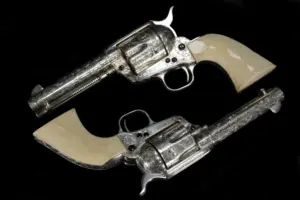
Open a vintage lever gun or single-action revolver and you might see swirling blues, plums, and straw hues on the frame. That’s color case hardening — a surface hardening technique on steel that leaves behind a mottled pattern. It’s part functional, part art, and part calling card for classic designs and modern reproductions that celebrate them.
How case colors wear. The colors can soften with time and handling, fading first where hands live: wrists, frame flats, and sharp edges. It’s still steel under there, so protect it like you would a blued gun.
Care. Gentle. Avoid harsh polishes. A light coat of oil after handling goes a long way to keeping the colors lively and the steel beneath protected.
Ceramic spray coats: Cerakote and cousins
Modern ceramic coatings have rewritten the playbook for hard-use guns. Cerakote and similar spray-bake finishes lay down a thin, tough ceramic matrix over carefully prepped metal. They come in a wide range of colors and textures, from dead-flat to satin, and they’re chosen as much for durability as for aesthetics.
They shine in abrasion and corrosion resistance. A good spray coat shrugs off daily carry, holster scuffs, and bad weather. Among competing options, Gunkote and Cerakote are often compared. As the gunsmithing program at MGS notes, both are ceramic-based spray coats aimed at rust and scratch protection, heat resistance, and even holding a bit of lubricant in the microtexture. You can find a succinct overview in their piece on bluing, electroplating, and spray coats.
How ceramic coats wear. They’re not invincible. Expect honest scuffing and shiny burnish lines where parts ride, or chips if a sharp corner gets a hard knock. Unlike bluing, you won’t see a gradual gray — a scratch looks like a scratch. The good news is many of these coatings can be touched up or stripped and reapplied if the gun’s a working tool.
Care. Mild solvent, nylon brushes, and a soft cloth. These coatings are generally chemical resistant, but there’s no prize for soaking anything unnecessarily. Clean what you must, and avoid steel wool on coated surfaces.
Nitriding vs Cerakote vs DLC: where each shines
Three modern words that get tossed around a lot: nitriding, Cerakote, and DLC. They’re not the same thing.
Nitriding is a family of processes that diffuse nitrogen into the steel surface. In the firearms world, you’ll often hear trade names associated with the approach. The result is a surface that’s harder and more corrosion resistant than bare steel, with a black to dark gray look that sits in the steel rather than on it. It’s popular on barrels and slides because it boosts wear resistance without adding the kind of thickness that can change fit.
Cerakote, as covered above, is a ceramic topcoat. It’s on top of the metal, not within it. That lets you choose colors and textures, and it protects very well against abrasion and weather. The tradeoff is that it can be scratched through if really abused, revealing the substrate, whereas nitriding doesn’t have a layer to chip off.
DLC stands for diamond-like carbon. It’s a modern thin-film coating valued for hardness, wear resistance, and low friction. It tends to be deep black or charcoal and slick to the touch. For parts that slide or lock up — think actions and internals — DLC offers a hard face and a smooth feel without much added thickness. It’s often mentioned in the same breath as other high-performance finishes in buyer guides focused on durability and low maintenance.
How they wear. Nitrided parts often show a polished sheen in high-friction spots without a change of color. DLC can also burnish slightly where parts contact, staying dark. Cerakote will show the route your gear takes through the world with visible scuffs and occasional chips at edges — less elegant, more honest. Which is better depends on your use case, not just your taste.
Electroless nickel and nickel boron
Sometimes it’s not a black finish at all. Electroless nickel gives steel and some alloys a uniform silver sheen with good corrosion resistance. Nickel boron, commonly abbreviated NiB, goes a step further on internals. It provides high lubricity and corrosion resistance, which is why you’ll see it mentioned on modern rifles where the goal is smooth cycling with less fuss.
How plated finishes wear. They’re tougher than bare steel, but on sharp corners the plating can show bright edges or fine lines if the base metal moves under stress. Keep an eye on high-stress parts for any flaking, and address it before wear propagates.
Care. Mild solvents, soft brushes, and a light lubricant film on moving parts. Nickel finishes don’t need much coddling, but don’t ignore them either.
Era clues and wear patterns, at a glance
Collectors often look at finish first because it’s a quick way to place a gun in context. Here are broad tendencies you’ll notice once you start paying attention:
- Bluing is everywhere historically, but the look varies with the era and maker. Deep polish under blue tips toward pride and peacetime production. Wartime urgency shows under the same chemistry as flatter prep and slightly chalkier tone.
- Parkerizing is a strong sign of mid-century military or utilitarian intent. If the finish shows a uniform matte with oil-darkened pores, you’re probably handling a gun made for work, not glamor.
- Anodized aluminum points to later manufacturing methods and lighter builds. It’s a hallmark on modern rifles and pistols that use alloy receivers or frames.
- Case colors flag classic designs and faithful reproductions. The pattern is hard to fake convincingly, and the way it fades around the wrist and flats tells you the gun’s been handled like a companion, not a display piece.
- Ceramic coats and similar modern finishes in a rainbow of colors are a clue you’re looking at recent production or a recent refinish.
- Nitriding and DLC tend to signal performance-minded, contemporary work with a focus on wear resistance and low maintenance rather than traditional aesthetics.
As always, take the whole gun into account. Screws that are sharp and undisturbed, rollmarks that are crisp instead of shallow, and a finish that matches the era of the sights, grips, and small parts are the kinds of things that reassure a buyer or collector.
Care that fits the finish: practical tips
A little understanding saves a lot of heartache. Different finishes like different kinds of attention. Here’s a simple way to keep from doing harm while you do good.
- Blued steel: Wipe with a lightly oiled cloth after handling. Store dry with an oil film. Avoid abrasive polishes that thin the blue. For long-term storage, a rust preventive is cheap insurance.
- Parkerized steel: Feed the pores with a light oil after cleaning. The micro-cavities will hold what you give them and return the favor in poor weather.
- Anodized aluminum: Clean with mild solvents and soft brushes. No need to slather oil on the aluminum, but any steel bits attached still appreciate it.
- Case colors: Keep it gentle. Light oil after handling and avoid harsh chemicals or scrubbing. The colors are part of the charm — don’t buff them off trying to make them brighter.
- Ceramic coatings: Use mild solvent and nylon brushes. There’s no point in soaking a coated part in aggressive chemicals. If you’re the strip-and-recoat type, let a pro handle it.
- Nitrided and DLC parts: Clean normally. You’ll often find they need less fuss to stay presentable. Still, a touch of oil on moving interfaces keeps the action smooth.
- Nickel and NiB: Mild cleaners, soft cloths, and keep an eye on edges for early signs of wear. Lubricity is a feature, not an excuse to run dry.
Pairing a finish to your real-world needs
Picking a finish is less about fashion than it is about the life the gun will lead. A buyer shopping smart matches finish to job, and a collector who shoots what he owns often makes the same calculus.
Cold mornings in a deer stand. Blued rifles are still out there filling tags and making memories. If you live where the air sits heavy or you’re prone to getting rained on, keep the oil bottle handy. If you want the look without the extra fuss, a nitrided barrel and small parts can quietly reduce the maintenance load while still looking traditional from a distance.
Range rental or training workhorse. Guns that live hard benefit from finishes that resist abrasion and sweat. Cerakote and similar ceramic coats take a beating with grace and are easy to refresh. Nitriding on the steel bits where parts slam into each other gives you wear resistance without affecting fit. DLC shines on actions and internals where low friction pays you back every cycle.
Classic sixgun or lever rifle. If the heart wants case colors and a deep blue barrel, listen to it. Just know you’re signing up for the gentle rituals that keep those finishes looking right — a wipe here, a swipe there, and a place in the safe where nothing rubs.
Modern alloy-frame pistol or rifle. Anodized receivers paired with nitrided steel or a ceramic topcoat make a lot of sense. The anodizing is set-and-forget for the most part, and the steel components get the wear and weather protection they need.
Internal parts and triggers. Nickel boron, nickel, and DLC all live here for a reason. Smoother feel, easier cleaning, and less need for constant relubing are common goals. You’ll even see makers pointing out NiB fire control groups for exactly those reasons.
Notes on refinish vs original
If you’re buying with a collector’s mindset, the finish often carries a lot of the value. Original finishes with honest wear tell a story that refinishes sometimes erase. When you look a gun over, step back and take in consistency first. Does the finish tone match across parts that were finished together at the factory, or do the hues fight each other? Are edges sharp under the finish, or are they rounded slightly from heavy polishing? Do markings look crisp, not shallow or washed at the edges? None of these is a legal verdict, just practical observations that help you decide what you’re really looking at.
Putting it all together
Finishes aren’t just chemistry and color charts. They’re a conversation between the maker, the era, the intended use, and the person who has lived with the gun since. Slow rust blue quietly rewards patience. Parkerizing carries the scent of cosmoline and long service. Anodizing and Cerakote speak to modern materials and hard days at the range. Nitriding and DLC are the quiet, competent types — not flashy, but the kind of traits you appreciate after a thousand cycles. Nickel and NiB add smoothness where it counts.
If you want more background on the families of finishes and how they stack up, it’s worth skimming a buyer-friendly guide like the common coatings and finishes overview mentioned earlier, or the MGS look at bluing, electroplating, and spray coats to get a sense of why the industry leans on certain approaches.
From there, the rest is hands, eyes, and context. Look at how a finish has worn. Think about why a maker chose it. Decide what kind of life your gun is going to live, then choose the coat that fits. Do that, and the field notebook starts to fill itself in.