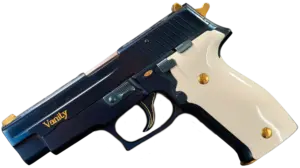

A buddy once dropped five classic SIGs on my bench and said, “They all feel like SIGs, but they don’t feel the same.” That sent us straight into stamped versus milled slides, German versus U.S. marks, and which calibers and small parts truly swap without drama.
If you’re shopping a P220, P225, P226, P228, or P229, this is the quick, confident guide I wish I had on hand. It sticks to factory docs and trusted references, skips fluff, and focuses on what helps you buy and maintain smart.
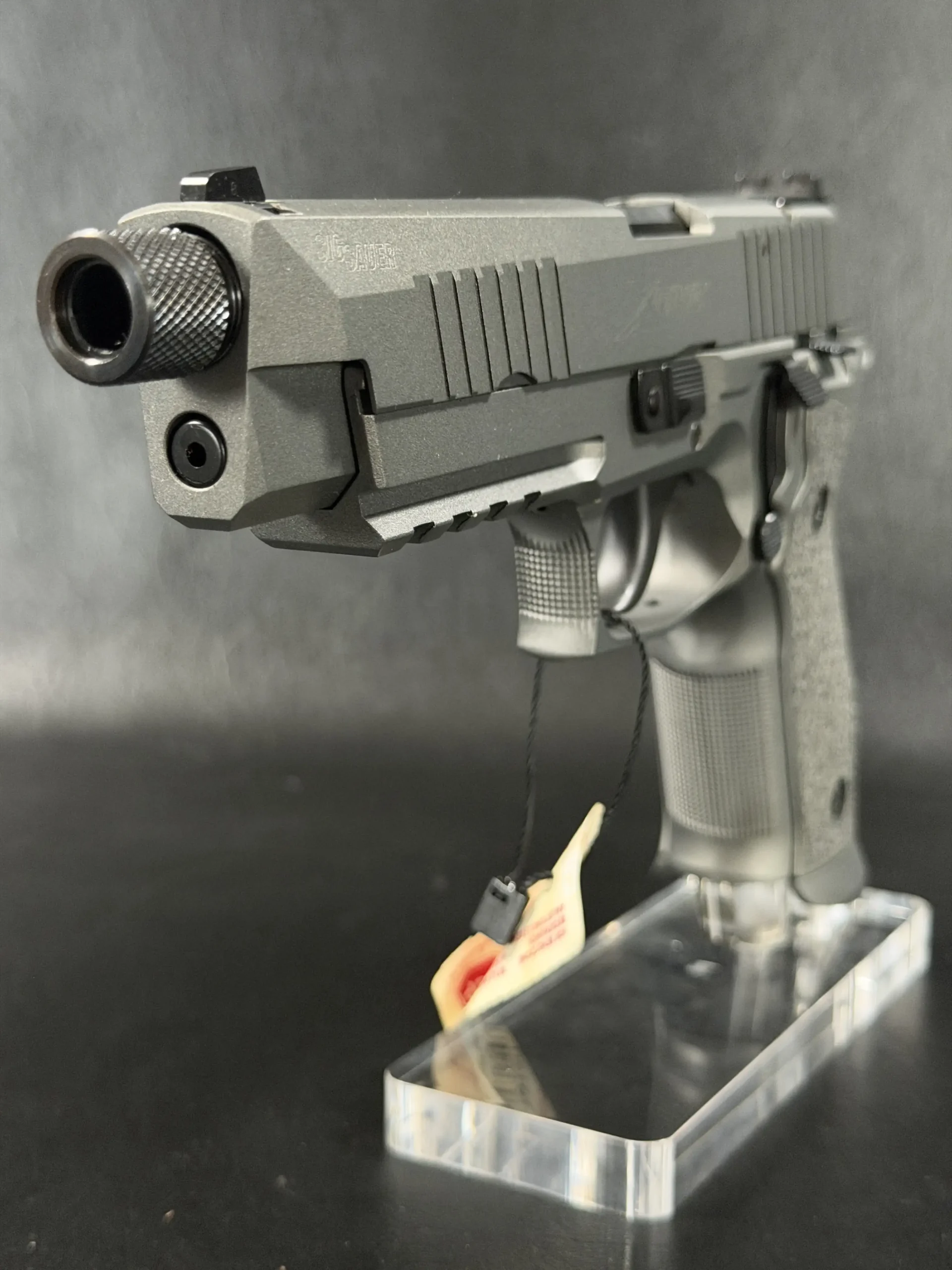
Meet the classic P‑Series at a glance
All five share alloy frames, tilting barrels, and a decocker. From there they branch into roles:
- P220: slim single‑stack service gun, most familiar in .45 ACP in the U.S.
- P225: compact single‑stack 9 mm with very easy ergonomics.
- P226: full‑size double‑stack 9 that set the duty template.
- P228: compact double‑stack 9, essentially a trimmed P226 that still shoots like a service pistol.
- P229: compact designed for higher‑pressure duty calibers, with many variants over time.
Stamped vs milled slides: what it means
In SIG circles, “stamped” refers to earlier folded carbon‑steel slides with a separate breech block pinned in. “Milled” refers to later one‑piece machined slides that arrived as calibers and production evolved, often paired with U.S. assembly.
Why it matters:
- Balance and feel. Stamped‑slide guns are lighter up front; milled slides add mass and can track flatter.
- Caliber pairing. The P229, in particular, launched around .357 SIG and .40 S&W with compact dimensions suited to those loads, per SIG’s Classic Series manual (factory PDF).
- Collector interest. Some chase stamped slides with German proofs and early import marks; others prefer later corrosion resistance and parts support. Preference rules here.
Quick visual ID in photos
When scanning listings, these tells help sort stamped from milled. Cross‑check with factory diagrams and community photo threads if unsure.
- Roll pins: stamped slides use a separate breech block retained by visible roll pins through the slide; milled slides are one piece and lack those pins. The Classic Series manual’s diagrams help you visualize the difference (factory PDF).
- Extractor cut: stamped‑slide guns typically show no external extractor cut; milled slides commonly have a visible external extractor. See side‑by‑side photos in the High Road discussion (The High Road).
- Weight feel on compacts: a P229 with a milled slide weighs about 31 oz with magazine, per SIG’s specs for .357 SIG and .40 S&W variants (factory PDF). Traditional compact 9 mm stamped‑slide guns feel lighter at the muzzle.
Who was stamped and who was milled
Broad patterns by model, with era caveats:
- P228: traditionally a compact 9 mm with stamped slide. It stayed 9 mm.
- P229: launched in .357 SIG and .40 S&W with milled slides; later 9 mm P229s exist but are not the same animal as a P228. SIG’s manual lists P229 specs in .357 SIG and .40 S&W (factory PDF).
- P226: early West German examples used stamped slides; later production moved to milled as calibers and manufacturing shifted.
- P220 and P225: both began with German‑marked, stamped‑slide runs; later examples tie into U.S. assembly. Treat each gun by its marks, parts, and extractor style.
Marks that tell the story: West Germany to Exeter
Rollmarks and proofs place a gun in the timeline and explain mixed‑origin builds from the 1990s. Real Gun Reviews has a careful walkthrough (guide). Practical takeaways:
- “MADE IN W. GERMANY” on the slide tracks to the Eckernförde era. Most are uppercase; some late‑1980s guns show title case like “Made In W. Germany.”
- Importer lines changed. “SIGARMS, Tysons Corner, VA” marks earlier U.S. imports before New Hampshire operations; later guns show Exeter, NH.
- Mid‑1990s blending is normal. RGR documents serial ranges where a gun was proofed and numbered in Germany, and others where a German‑made slide was assembled and numbered in the U.S. They also note slide peening styles seen from German processing, such as swirl peening versus a triskelion pattern.
- Proofs and date codes matter. Zoom in on proofs and any date code, then cross‑check the RGR guide before assuming “German‑made” or “U.S.‑made” from a single line of text.
Model‑by‑model notes buyers use
P220
Single‑stack elder statesman, best known in .45 ACP stateside. You will see both German‑marked slides and later U.S.‑assembled examples. Its ejector implementation differs from the double‑stacks, which matters for parts work and top‑end changes.
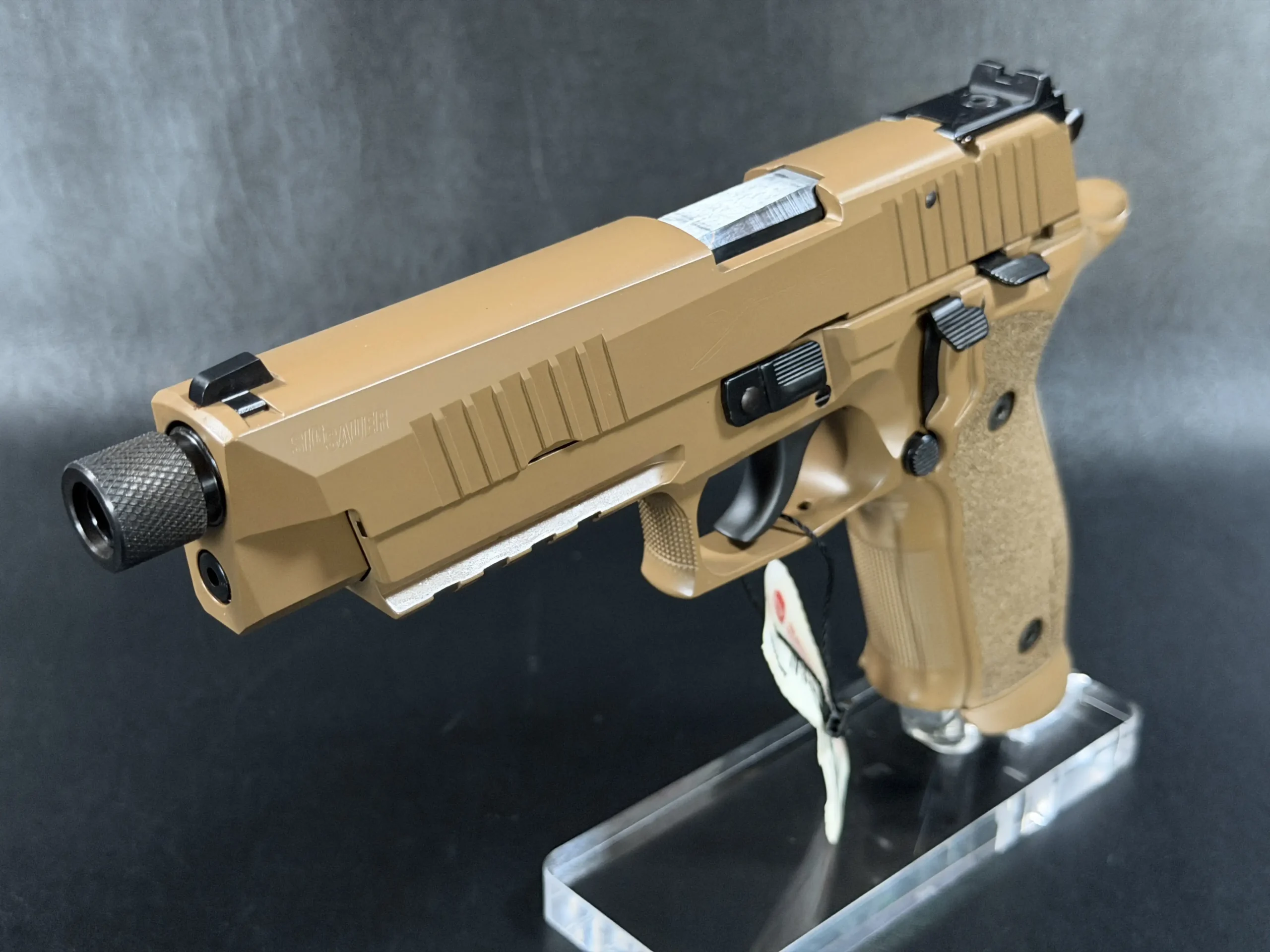
P225
Single‑stack 9 mm with very friendly ergonomics. Treat marks the same way as the P220. If comparing to modern “A1”‑branded pistols, verify specific model and parts before assuming interchange.
P226
Full‑size double‑stack 9 that set the duty baseline. Early West German P226s align with stamped slides; later runs moved to milled. Marks and extractor style usually tell you what you have.
P228
Compact double‑stack 9 that trims the P226 while keeping duty manners. Traditionally stamped slide and 9 mm only, which gives it a lighter nose many shooters prefer.
P229
Compact platform offered for .357 SIG and .40 S&W out of the gate per SIG’s Classic Series manual, with many sub‑variants over the years. Expect milled slides and a bit more weight up front; later 9 mm P229s exist but are built differently than a P228.
Caliber changes and swaps that work
Caliber questions come up constantly. Here is the grounded guidance, tied where possible to factory listings:
- P229 .357 SIG and .40 S&W: commonly treated as a two‑way swap using the same slide with the correct barrel and magazines. SIG lists the P229 in both calibers in the Classic Series manual (factory PDF). Match springs to the caliber and load.
- 9 mm vs .40 or .357: plan on a dedicated 9 mm top end and 9 mm magazines. Breech face, extractor, and mags differ, so this is not a simple barrel change.
- P226 patterns mirror the above in principle, but verify by generation and exact model. Running changes over decades mean part numbers matter.
- P220 family: conversions across calibers are not casual swaps. Treat different chamberings as distinct unless you have a factory kit that matches your exact variant.
- Confirm with diagrams: the Classic Series manual includes exploded views and specs that help you spot differences before buying parts (factory PDF).
Parts that really interchange
There is family resemblance inside the frames, but there are clean break lines. Matrix Precision’s notes make a solid checklist (summary):
P226 vs P228 or P229 differences
- Locking insert
- Hammer stop
- Grip screws
P226 or P228 or P229 vs P220 differences
- Locking insert
- Hammer stop
- Grip screws
- Hammer stop spring
- Slide catch lever spring
- Trigger bar spring
- Hammer stop pin
- Magazine catch
- Hammer strut
- Trigger bar
- Slide catch lever
- Safety lever
- Decocking lever
- Ejector arrangement differs; on the P220 it is built into the slide catch lever per the parts list
Those last points explain a lot of head‑scratching after slide or frame swaps. Know your locking insert and ejector implementation before mixing parts.
How slide type changes the feel
Lighter stamped‑slide compacts feel quick and lively. Later milled slides bring different durability considerations and pair well with higher‑pressure duty ammo. The best answer is range time: shoot both styles back to back in the same model and let the timer and your groups decide.
Buying smart: checklist
- Match markings to the story. Mid‑1990s guns often mix German‑proofed slides with U.S.‑assembled frames. That is normal; just make sure the description reflects it. Cross‑check against the RGR marks guide (reference).
- Inspect the small stuff. Locking inserts, springs, and levers matter more than many new buyers realize. Fresh springs are cheap insurance.
- Controls should feel right. The decocker and slide catch are the telltales. Mushy or sluggish usually means a spring issue or mismatched parts.
- Magazines by model. Do not assume a 9 mm compact mag works across P228 and P229. Ask for clear photos of baseplates and feed lips.
- Proofs, peening, importer lines. “MADE IN W. GERMANY” vs “Made in Germany,” Tysons Corner vs Exeter, and any proof or date codes help place the gun and explain parts mixes.
For schematics and specifications across the line, SIG’s Classic Series manual remains the most direct source, with diagrams for P220, P225, P226, P227, P229 and more (factory PDF). For photo comparisons and owner perspectives on German versus American builds, the High Road thread collects useful examples (discussion).