
Remington Model 8 and 81: Browning’s Long Recoil Sporting Rifles
A practical, collector-minded look at Remington’s Model 8 and 81. Calibers, long recoil explained, police conversions, and what to check before you buy.

Call us any time at: (833) 486-6659
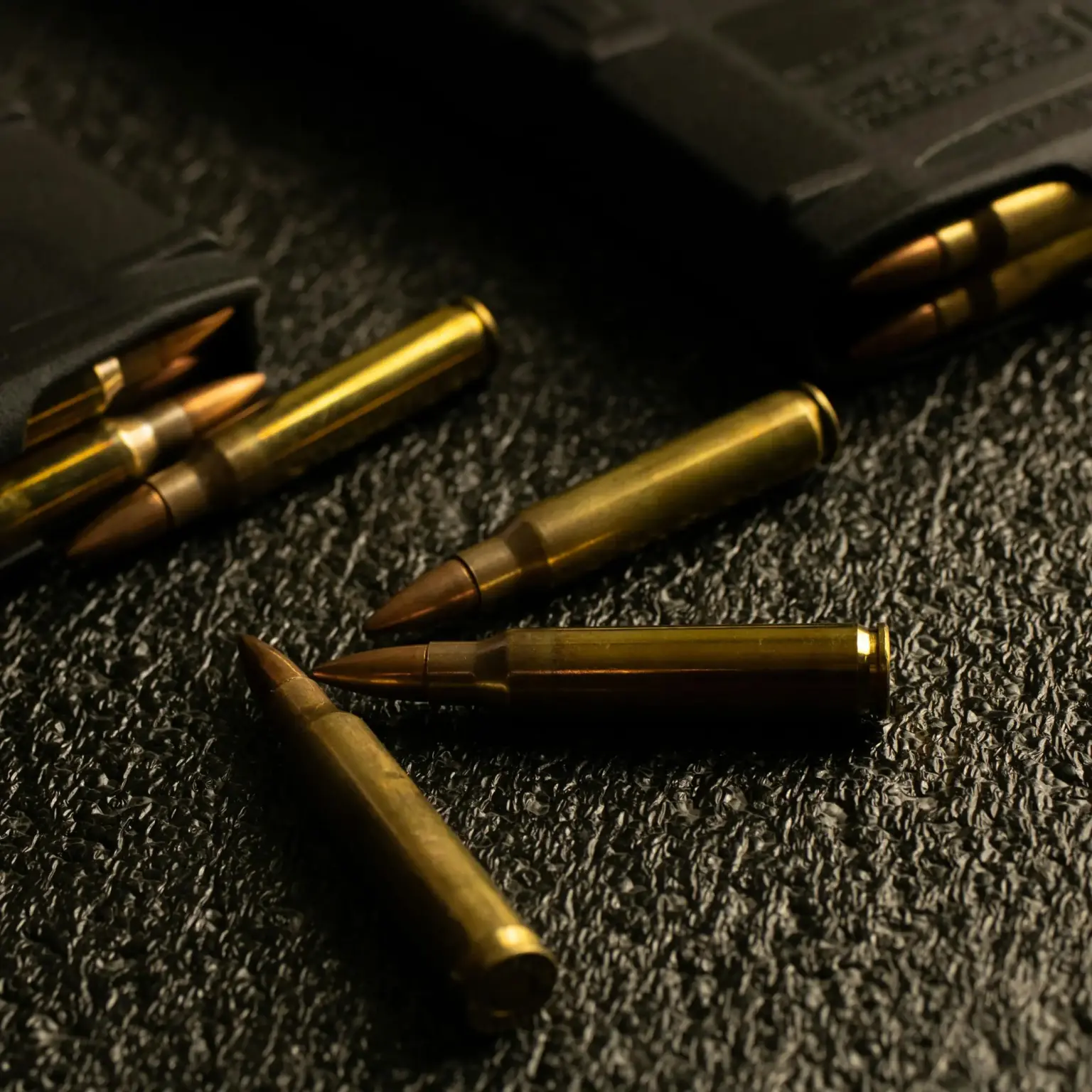
The morning after my first date with a spam can of com-bloc 7.62, I poured coffee and headed to the bench. My SKS looked fine at a glance. Then I saw a ring of orange freckles around the brake ports. I had cleaned with solvent and oil the night before and thought I was done. The freckles said otherwise.
That is the real lesson with corrosive primers. It is not drama, it is chemistry. If you enjoy surplus rifles and sealed cans, this comes with the territory. The fix is simple once you know what the salts are, where they go, and how to flush them out.
It is the primer, not the powder. Older military primers often used potassium chlorate compounds that, upon ignition, leave potassium chloride. Those salts attract moisture and initiate electrochemical reactions on steel if not removed. Think residue plus moisture plus air plus steel equals rust. Deliquescent salts make tiny wet spots wherever gas traveled.
U.S. makers ditched mercury fulminate by the late 1920s, and modern U.S. commercial ammo uses non-corrosive primers. The most corrosive ammo you will encounter today is older military surplus in cans. Some surplus used Berdan primers because they were cheaper to manufacture, but the primer mix determines corrosiveness, not the primer style alone.
Oil is great at preventing normal rust on clean steel. It does not dissolve salt. Wipe a bore with oil over primer residue, and the salts will keep pulling moisture under that film. That is why bores can look fine at night and haze over by morning.
Water dissolves salt. Warm water, soapy water, or a mild alkaline cleaner will flush residues. The proven sequence is simple: water first to remove salts, then your usual carbon and copper solvents, then oil for storage. Many shooters like a Ballistol-and-water mix for the water step because it leaves a light protective film.
Anywhere hot gas goes, salts can tag along. In bolt guns, expect the bore, chamber, crown, and bolt face to collect residue.
In semi-autos, the cloud spreads through the gas system and back into the action. Pistons, tubes, blocks, and expansion chambers collect deposits. Muzzle devices and the threads behind them trap crusty residue and stay just humid enough to start pits if ignored.
Chrome-lined bores are harder and more corrosion-resistant than plain steel, but they are not a free pass. Salts can still work on bare steel at the throat and crown, in gas parts, and under muzzle devices. Even chrome-lined bores will rust if residue sits.
Nitrided barrels offer very strong corrosion resistance and clean easily, but the rule does not change. The salts are water-soluble. Whatever the barrel treatment, flush them out.
This rhythm tracks with long-standing water-first guidance and has kept my surplus rifles spotless. You can find similar steps in this practical Pew Pew Tactical guide and a concise rinse-and-lube summary from The Armory Life.
While the gun is warm, run warm water through the bore from chamber to muzzle. Use wet patches, a squeeze bottle, or a careful pour. Let it drain out the muzzle, not back into the action. Remove any muzzle device, then flush the device and its threads.
Push dry patches until they come out dry. Blow out tight spaces like muzzle threads and gas parts if you can. Keep water off wood and shellac. Wipe any drips immediately.
One more pass with your preferred water-mix cleaner adds insurance. Many use a Ballistol and water spray here, which leaves a light film.
With salts gone, use your standard carbon and copper solvents. Keep any strong copper remover’s contact time short.
Finish with a light coat of oil or CLP on the bore and any bare steel you touched. For long-term storage, some shooters prefer a dedicated protectant after oiling.
Most rust I have seen did not start in the bore. It started at the muzzle or in the gas system. Pay attention to these spots:
You can clean until patches are spotless, then find a gray or black film the next day. You are not imagining it. Hygroscopic salts can draw in moisture and darken a bore again. Old hands have noted this for decades. A quick next-day rinse, dry, and light oil solves it. For a plain-language explanation, see this discussion from the International Ammunition Association forum.
My habit: next day, two damp patches, one dry, a light oil, and a fast peek under the muzzle device.
Labels are not always clear, and loose surplus can be a mystery. Practical cues help:
Myth 1: Oil neutralizes corrosive primers. It does not. Oil floats over salt. Water dissolves it.
Myth 2: Chrome-lined means no cleaning required. Chrome slows corrosion but does not protect the throat, crown, gas system, or muzzle threads from salt.
Myth 3: Ammonia is the magic fix. It removes copper, not salts, and long soaks are hard on bores.
Myth 4: If it looks clean, it is clean. With corrosive residue, check again tomorrow.
You do not need a trunk full of bottles. A minimalist kit covers it:
If I shoot a lot, I flush at the range and do a careful cleaning at home that night.
Humidity is the villain. Climate control buys time, but it does not replace cleaning. A five-minute rinse beats gambling.
For longer storage after a corrosive session, repeat the water step, dry thoroughly, remove carbon and copper, then leave a light film of oil on the bore and externals. If the rifle wears a muzzle device, consider leaving it off for a day or two so you can recheck the threads easily.
AKs, SKSs, FALs, and piston-driven ARs carry primer residue deep into their guts. Focus on:
It sounds like a lot written out, but it is fast in practice. Ten extra minutes now prevents pits later.
Surplus ammo and historic rifles go together. Corrosive primers are part of that story, not a reason to avoid shooting. Use water first, clean the muzzle and gas system, and do a next-day check. Follow that routine and your old soldiers will keep telling their stories for a long time.
More reading: a step-by-step corrosive cleaning guide and a broad primer on identifying corrosive ammo.
Available
View Item
Available
View Item
Available
View Item
Available
View Item
Available
View Item
Available
View ItemA practical, collector-minded look at Remington’s Model 8 and 81. Calibers, long recoil explained, police conversions, and what to check before you buy.
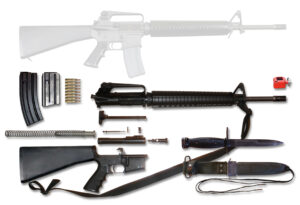
A collector’s look at Colt’s SP1 and early Sporters, from slickside uppers and pencil barrels to the rollmarks and small changes that hinted at the A2 era.
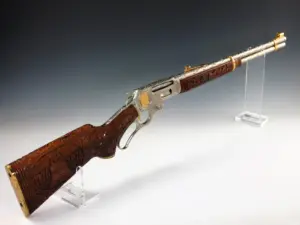
A practical, story-driven guide to reading JM vs REP barrel marks, understanding pre-safety 336s, Micro-Groove and Ballard-style rifling, and the smart checks to make before you buy.